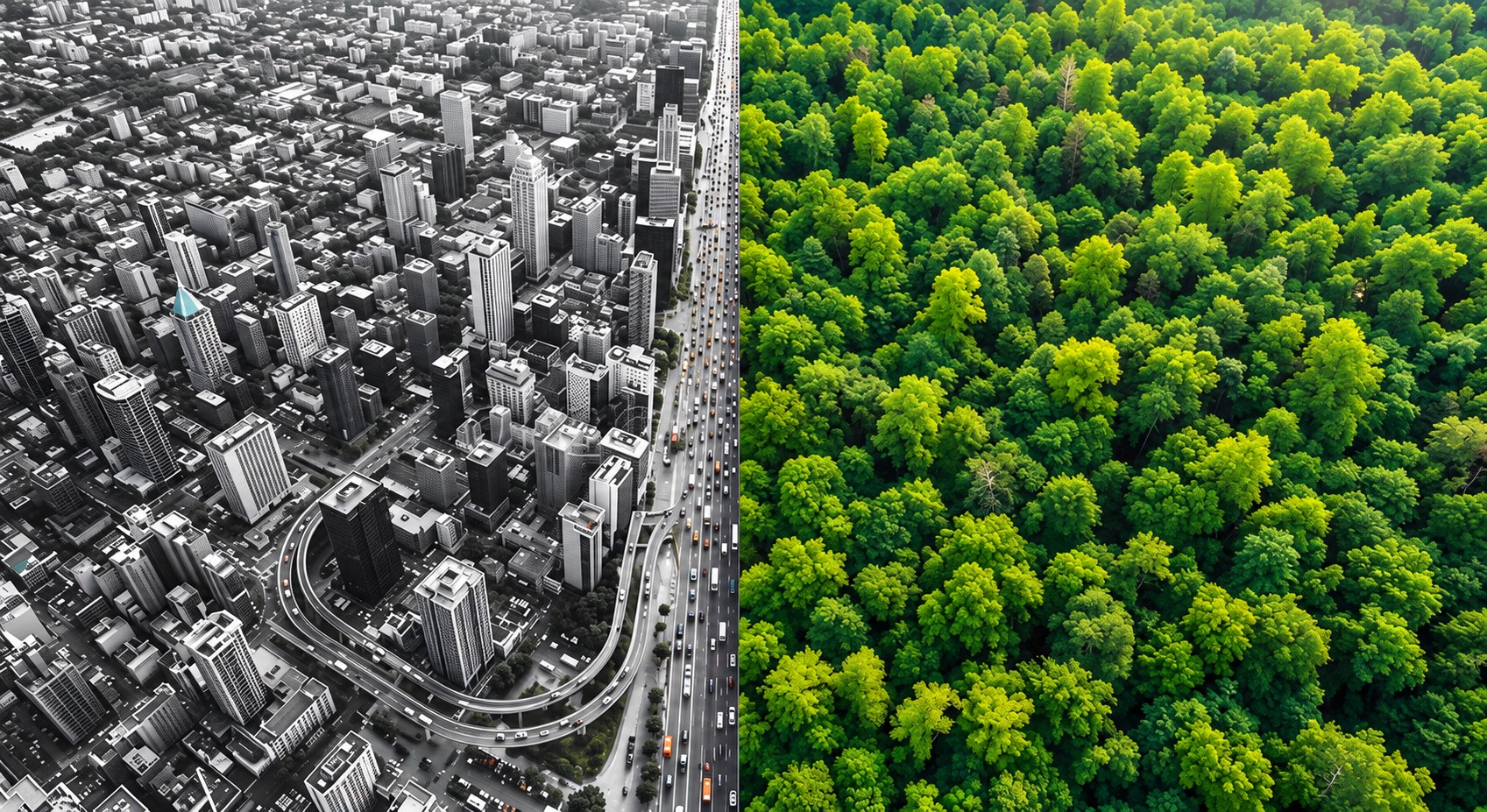
What happens when we spend our entire lives removing ourselves from the environment that created us?
We've become incredibly good at making nature unnecessary.
We control the temperature, manufacture the lighting, filter the air, process our food, pave over the soil, and replace human interaction with little glowing rectangles.
An entire civilization dedicated to making the natural world optional.
And somehow, after engineering nearly every inconvenience out of existence, we're exhausted, overstimulated, anxious, and increasingly disconnected from our own bodies.
Fascinating little experiment we've got going on.
What Happens When We Denature Our Environment?
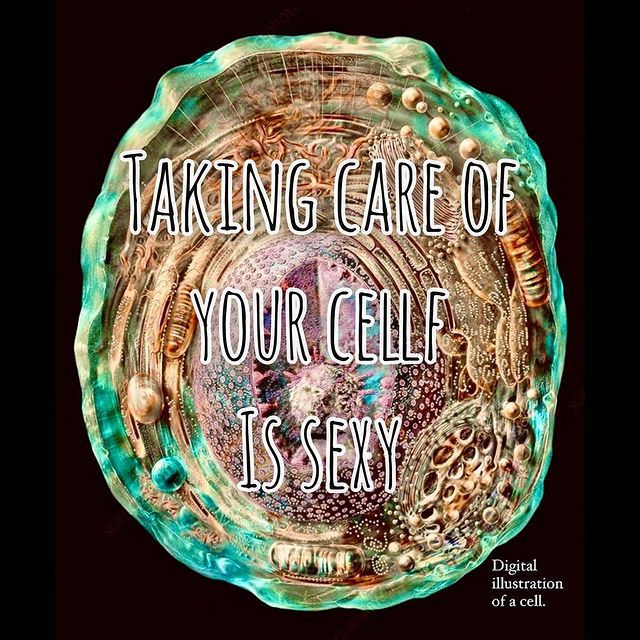
In biology, denaturation refers to the alteration of a molecule's natural structure, often through heat or chemical exposure.
I've started thinking about what happens when we apply that same concept to the human experience.
What if modern civilization has been slowly denaturing the environment our biology evolved within?
We evolved responding to sunlight, temperature changes, physical movement, seasonal foods, natural sounds, and direct human connection.
Today, we can spend an entire day experiencing practically none of them.
Morning light becomes an overhead LED. Walking becomes driving. Fresh food becomes an industrial product. Community becomes a group chat. Silence becomes something we immediately fill with a podcast.
Each convenience seems innocent enough.
But add them together over thirty or forty years, and you have an organism spending its entire life in an increasingly artificial environment.
Our biology hasn't suddenly forgotten millions of years of adaptation just because we invented air conditioning.
The Slow Death of Sensitivity
There's a principle in biology: organisms adapt to the environments they're repeatedly exposed to.
Use a muscle, and it responds. Stop using it, and it gradually weakens.
The same principle makes me question what happens when we stop exposing ourselves to the ordinary experiences that once shaped human life.
We become less accustomed to changing temperatures, uncomfortable without constant stimulation, and strangely resistant to walking anywhere that doesn't have a designated parking spot.
Even boredom has become an emergency requiring immediate technological intervention.
I wonder how much of our modern discomfort comes from spending so much energy avoiding discomfort in the first place.
And this goes beyond physical health.
When your entire environment is designed around instant gratification and convenience, patience, resilience, and self-reliance become things you have to consciously practice.
We've created incredible tools. But somewhere along the way, many of us became dependent on them for experiences that used to be ordinary parts of living.
What This Means for the Average Joe
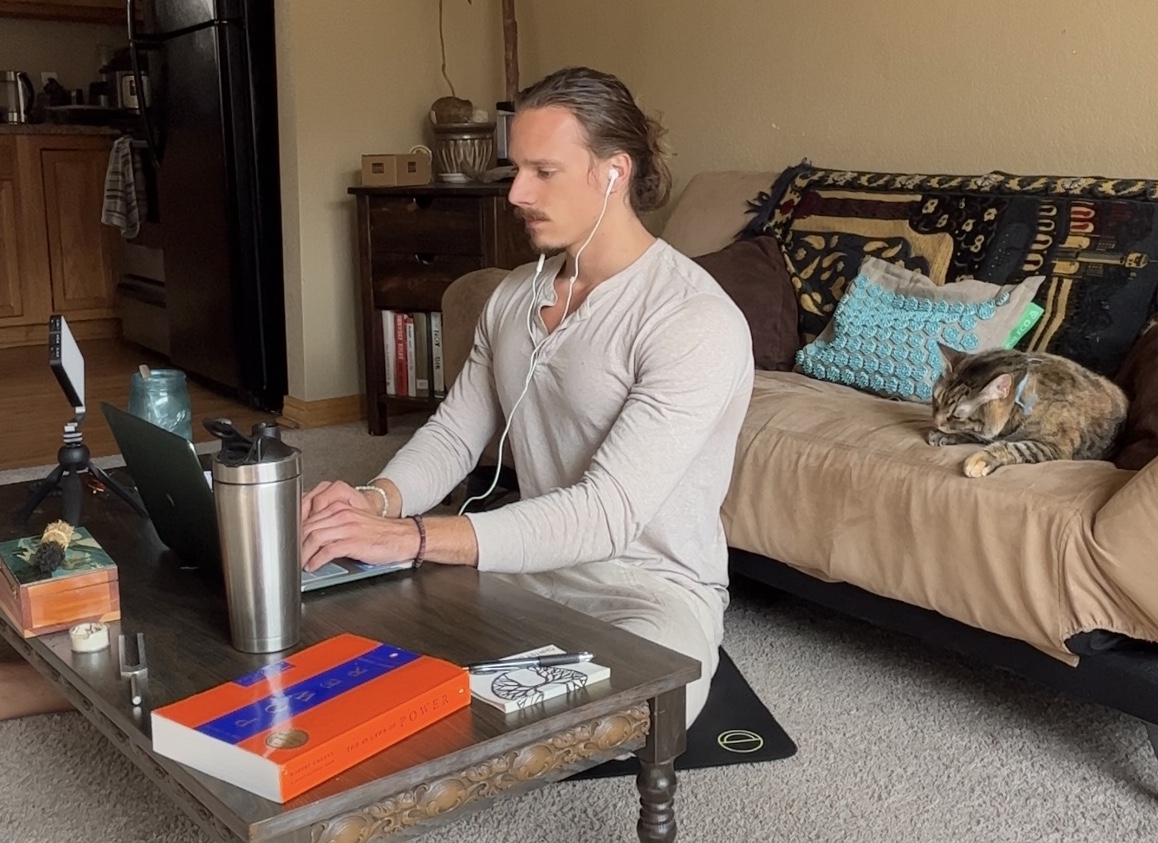
You wake up tired, drink coffee, drive to work, stare at a screen, eat something quick, drive home, scroll your phone, and wonder why you don't feel particularly alive.
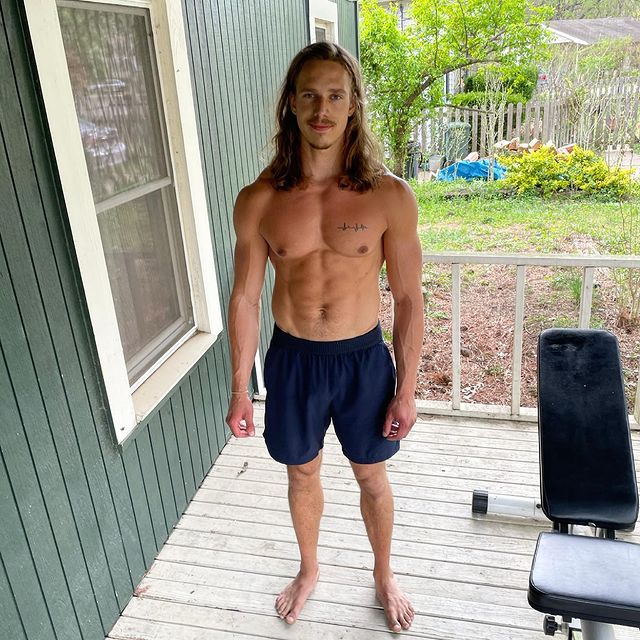
You might be exercising three times a week and eating relatively healthy food.
Yet the other twenty-three hours of your day are spent almost entirely indoors, sitting, and responding to artificial stimulation.
This is why I think health needs to be understood beyond nutrition and exercise.
Your surroundings are constantly influencing your habits, sleep, attention, movement, and relationships.
And the effects accumulate.
The good news is that you don't need to abandon your career, sell everything, or become a naked jungle hermit to change your relationship with nature.
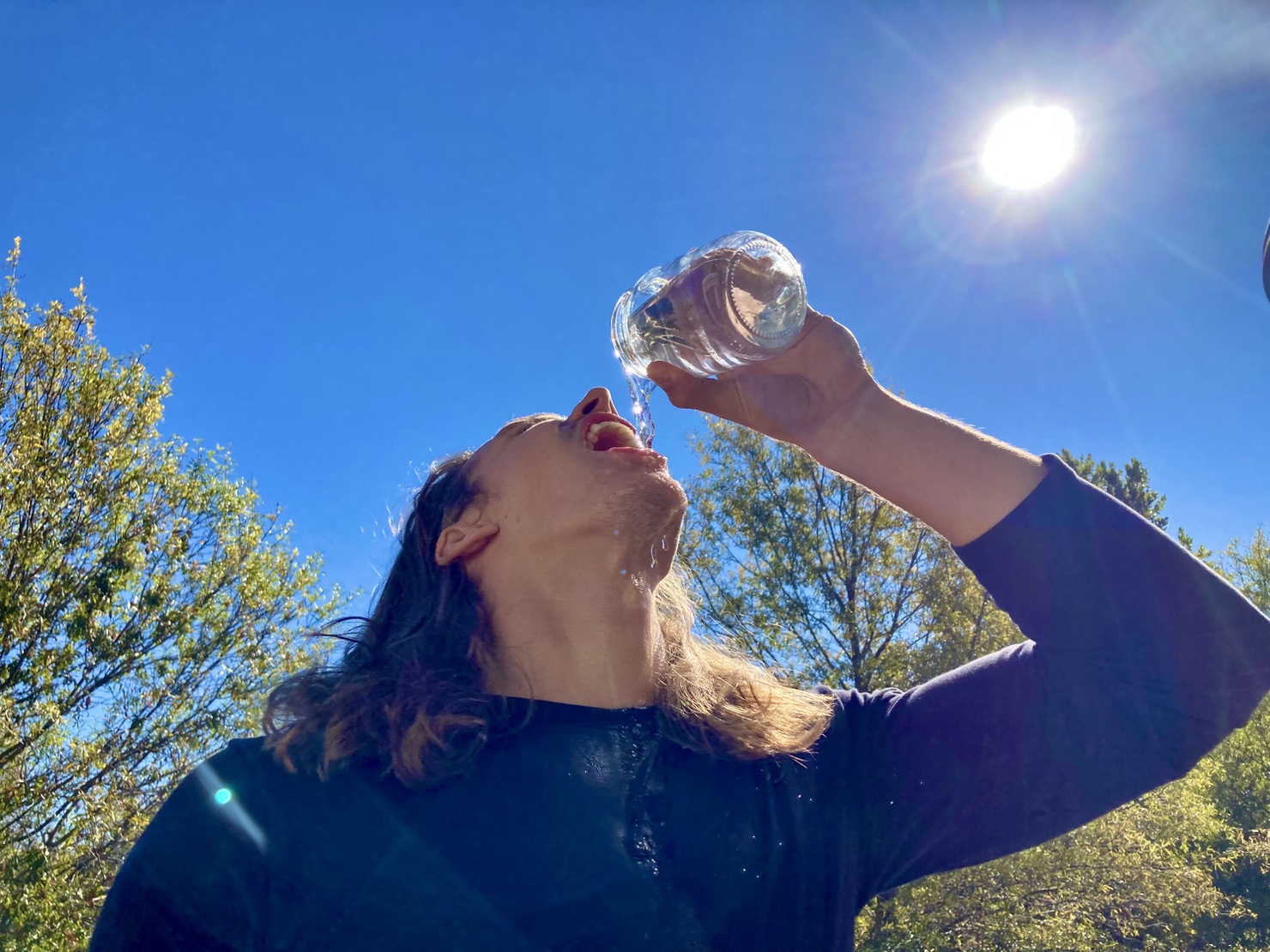
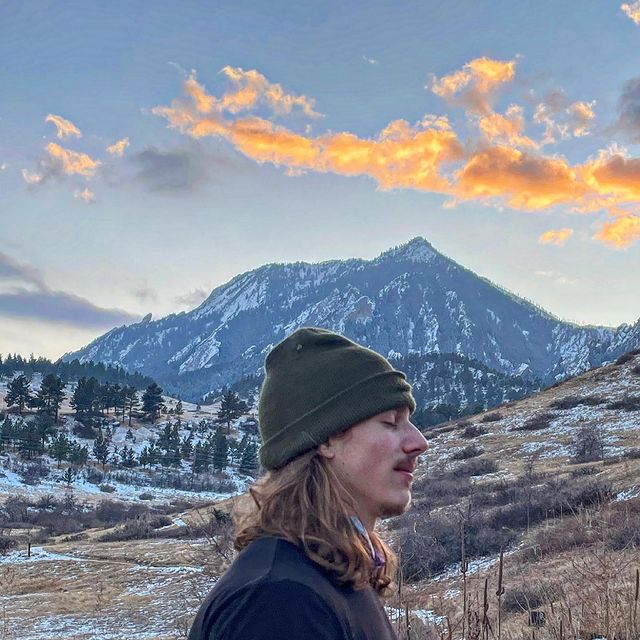
Start getting natural light in the morning. Walk more. Prepare food with your own hands. Spend time outdoors without headphones. Experience different temperatures. Meet your friends in person. Grow something.
Try spending an entire afternoon without needing to be entertained.
Absolutely outrageous behavior in 2026.
Why I Chose the Jungle in Guatemala
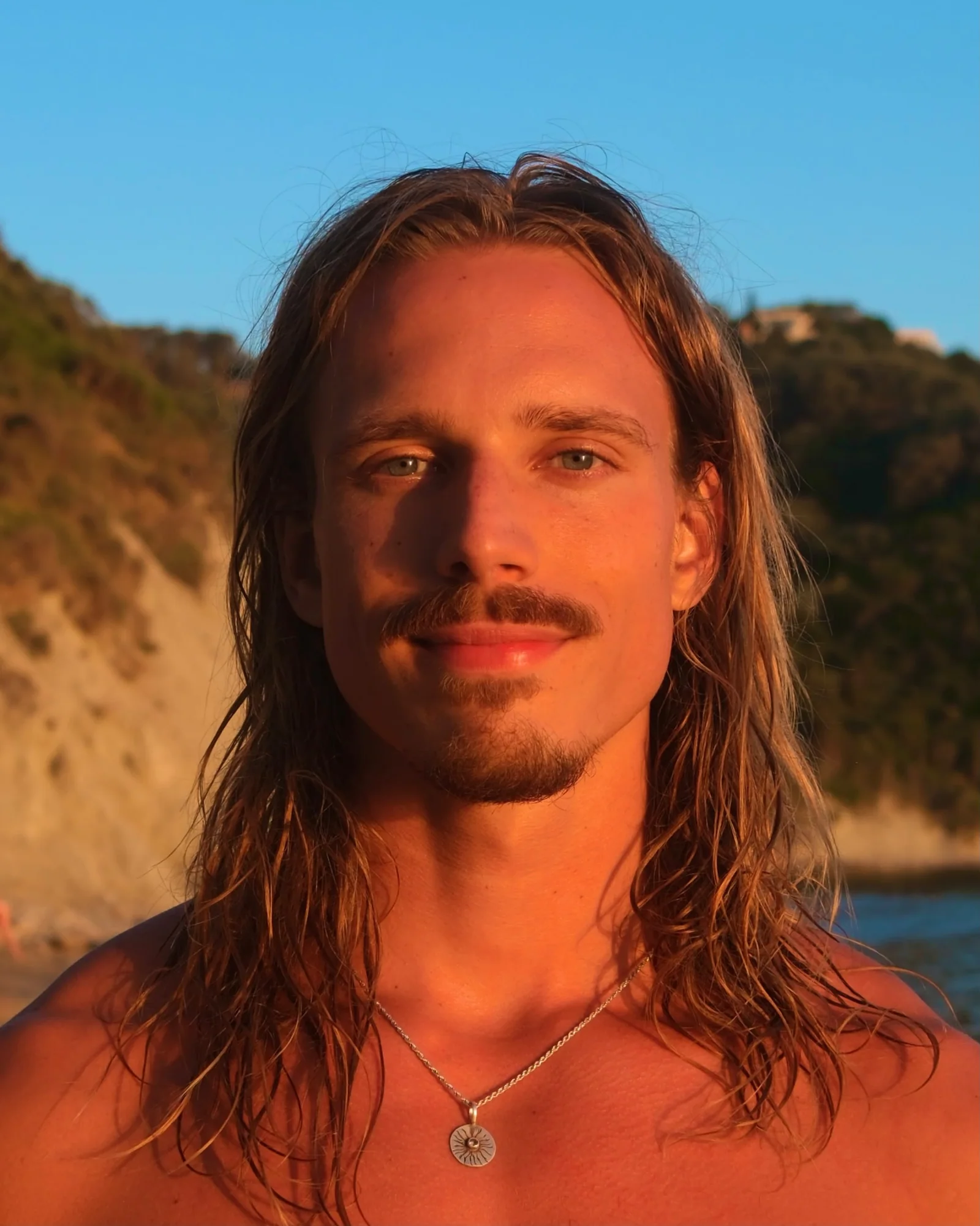
After growing up in Missouri, spending years in cities, studying human health, and experimenting with different lifestyles, I eventually found myself drawn toward a simpler environment.
Today, I live near Lake Atitlán, Guatemala, where I've helped build Maestro Valley, an off-grid wellness sanctuary surrounded by jungle and mountains.
Here, daily life naturally involves sunlight, fresh air, movement, animals, changing weather, and actual conversations with people.
We have a wood-fired sauna, outdoor gym, sound dome, cabins, gardens, and spaces designed for gathering and spending time in nature.
Does living closer to nature magically eliminate every problem? Of course not.
Sometimes the rain is relentless, the insects are annoying, and something breaks that would normally require a simple phone call in a city.
But I find those experiences strangely rewarding.
They remind me that I'm participating in my environment rather than permanently insulating myself from it.
Maybe the greatest luxury of the future will be experiencing what used to be ordinary.
Real sunlight. Clean air. Natural surroundings. Food from the land. Community. Silence.
Things we've spent decades engineering our lives to avoid.
Come Experience Maestro Valley
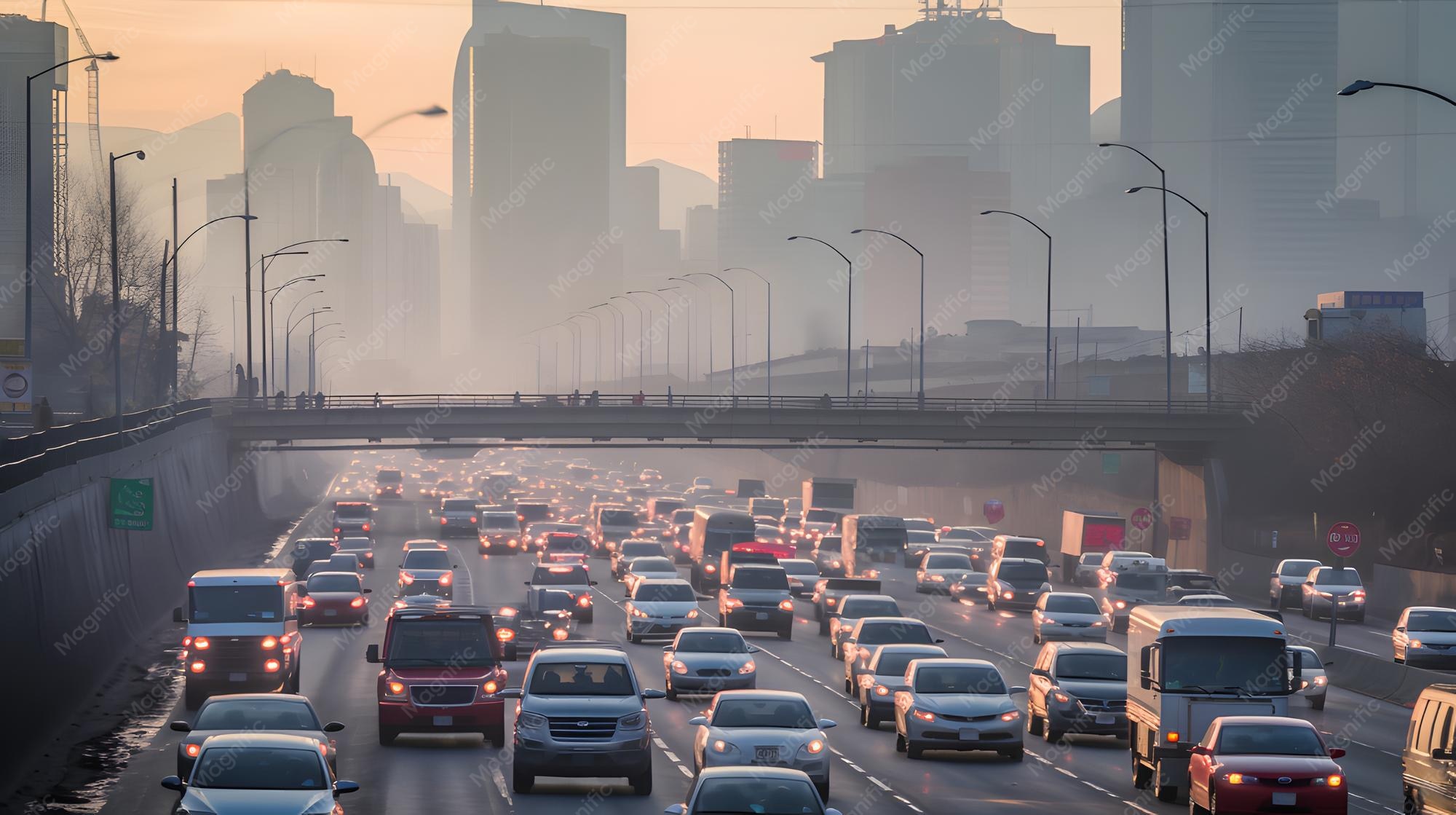
If you've been craving a reset from traffic, screens, artificial lighting, and the endless productivity circus, come spend some time at Maestro Valley in Guatemala.
Our off-grid sanctuary above Lake Atitlán is available to rent for personal getaways, group experiences, and hosted retreats.
Stay surrounded by jungle, enjoy the sauna, move outdoors, reconnect with people, and experience what happens when your environment stops demanding your attention every seventeen seconds.
You can also rent the property to host your own retreat or community gathering.
Explore Maestro Valley and book your stay →
The world doesn't need to be perfectly controlled for us to feel alive in it.
Sometimes I think we just need to spend a little more time actually experiencing it.