From growing up next to a Missouri freeway to living barefoot in the Guatemalan jungle. Here's what the concrete jungle taught me about health, freedom, and actually being alive.
I didn't grow up in the jungle. I didn't wake up to toucans singing, tropical wind brushing through palm trees, and fresh fruit growing outside my bedroom.
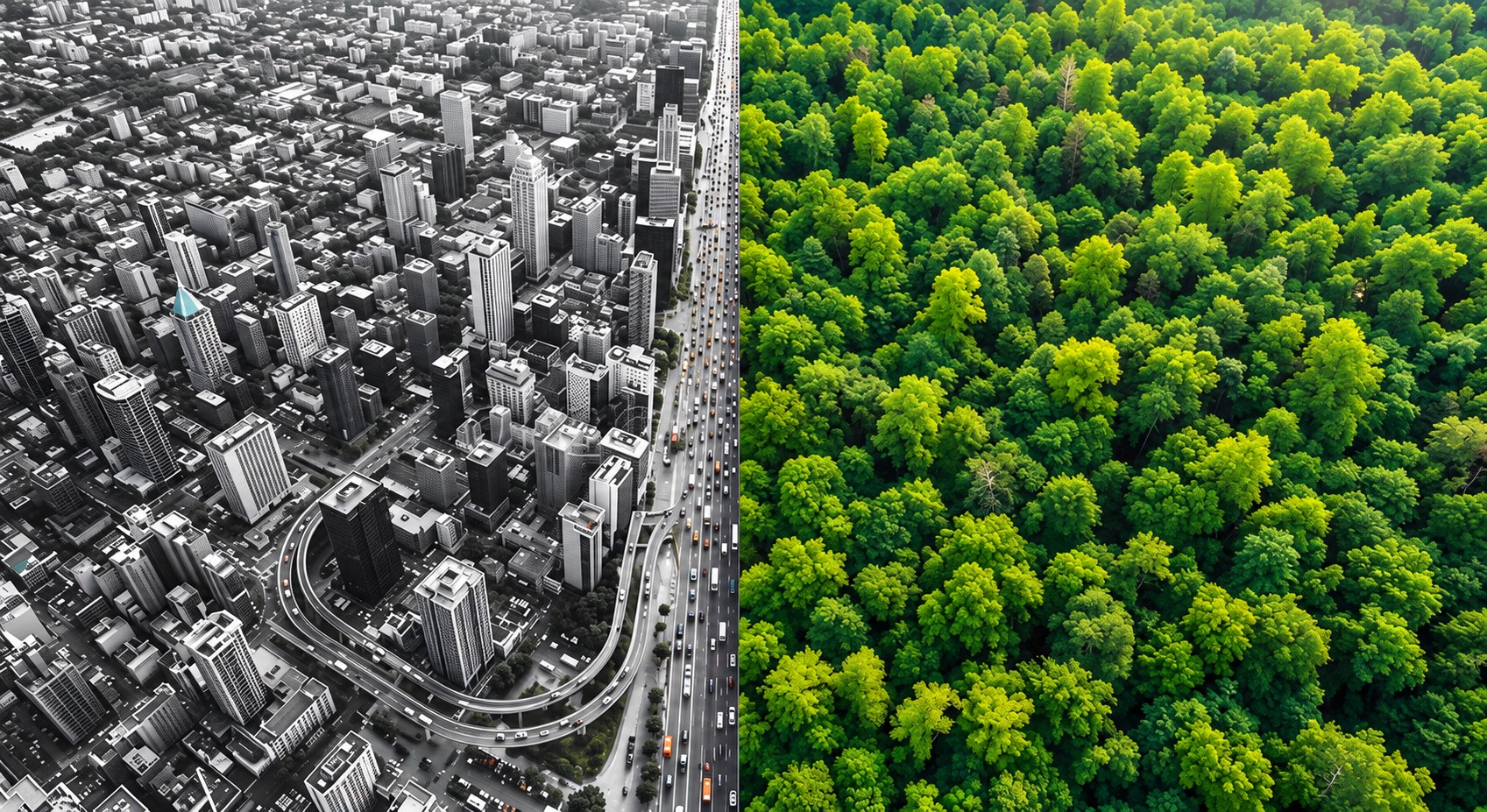
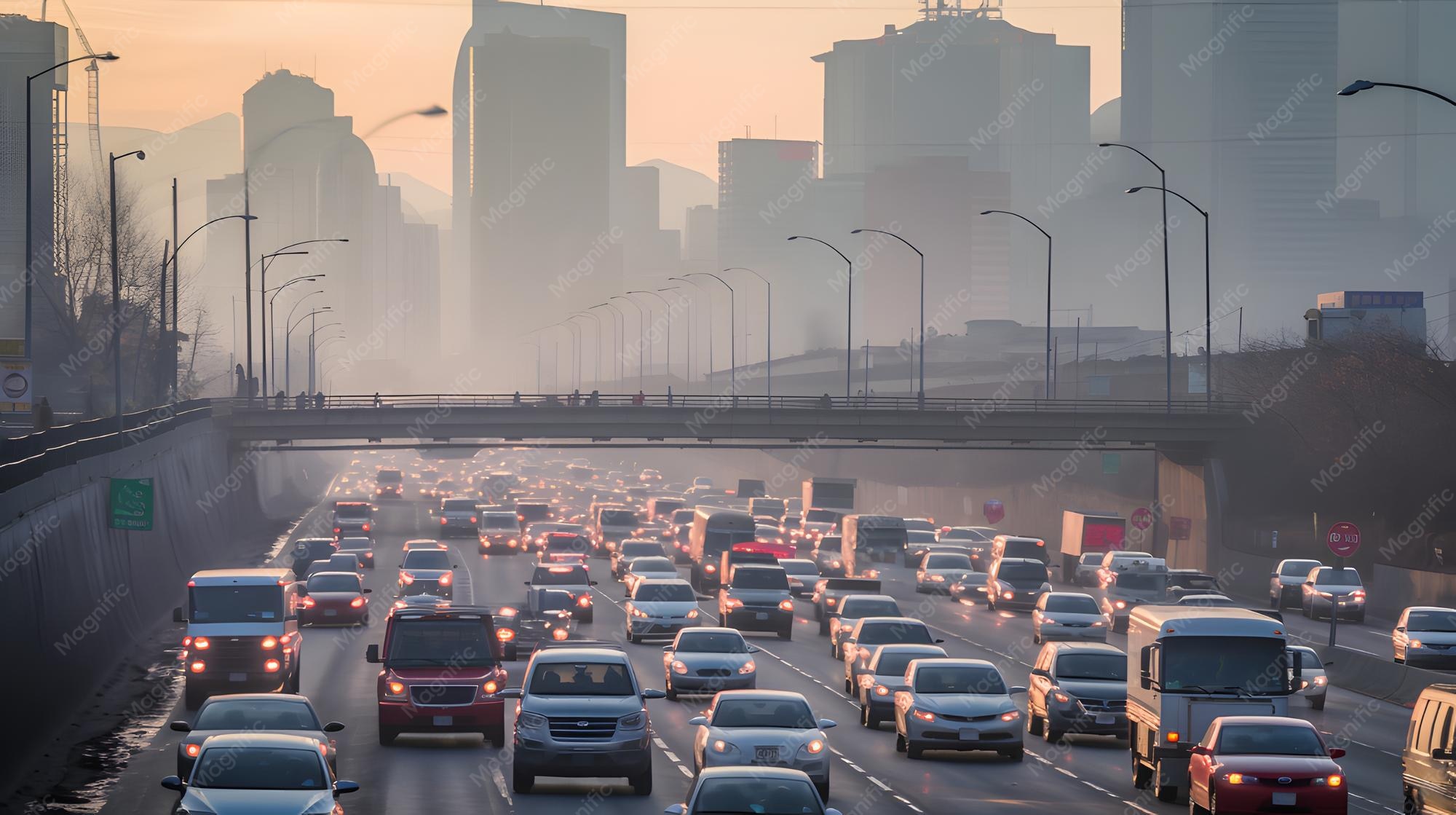
I woke up to semi-trucks screaming down the highway near my childhood home in Missouri. Streetlights buzzed like mosquitoes all night, mornings were rushed, and much of my childhood was spent between boxed-in homes, fluorescent classrooms, strip malls, and concrete.
Nothing particularly unusual about it. That's what made it so strange.
For over two decades, I lived in suburban and urban environments where being indoors for the majority of the day was completely normal. We drove everywhere, ate food out of packages, stared at screens, and spent our evenings recovering from schedules that somehow left us exhausted despite barely moving our bodies.
I remember walking barefoot through random patches of grass near parking lots just to feel something real.
An absolute caveman trying to survive suburban Missouri.
I knew there was more to life than the weekly cycle of work, traffic, grocery stores, television, and waiting for Friday.
And I couldn't shake the feeling that our environment was playing a much bigger role in our health than anyone was talking about.
Fast-forward to today.
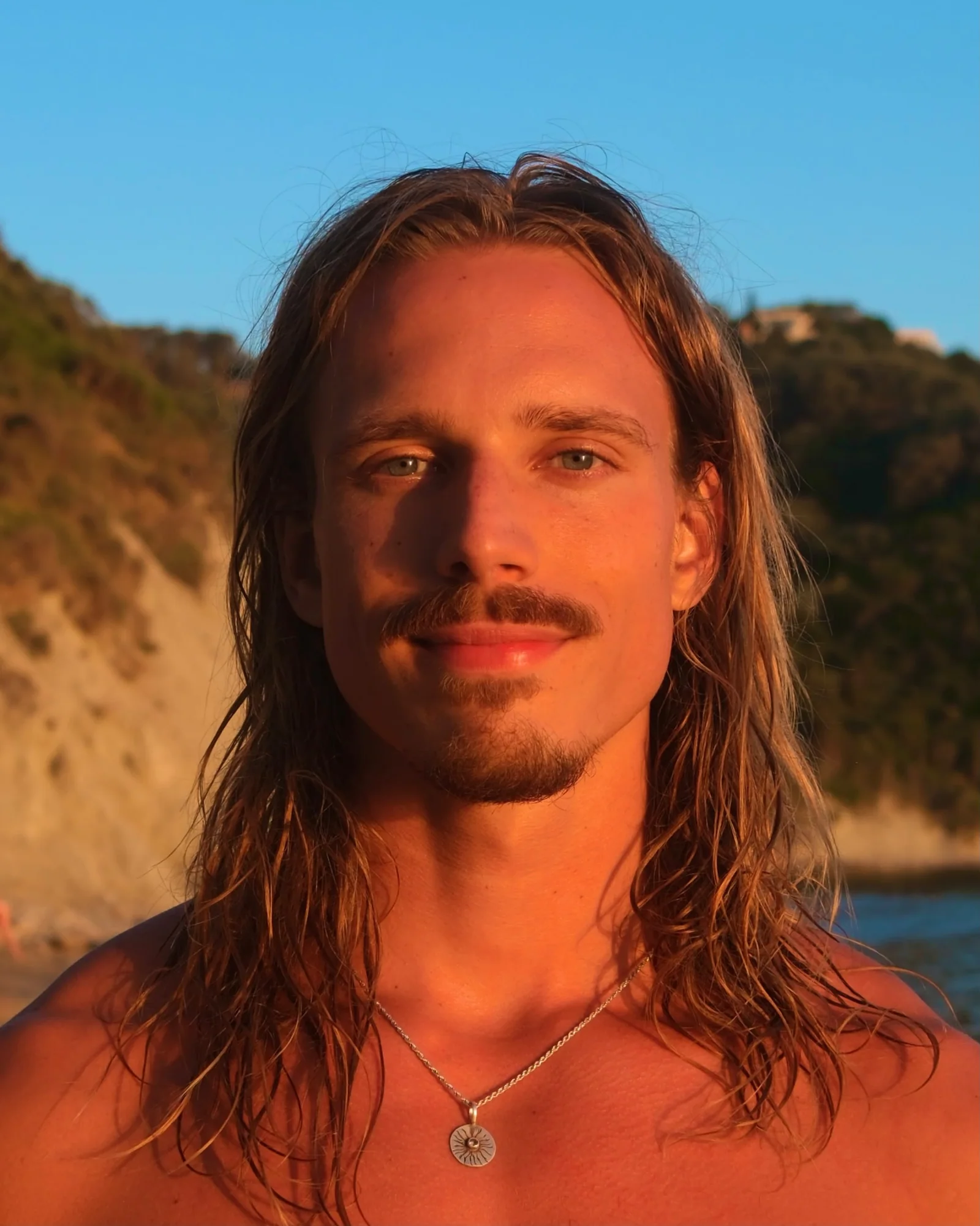
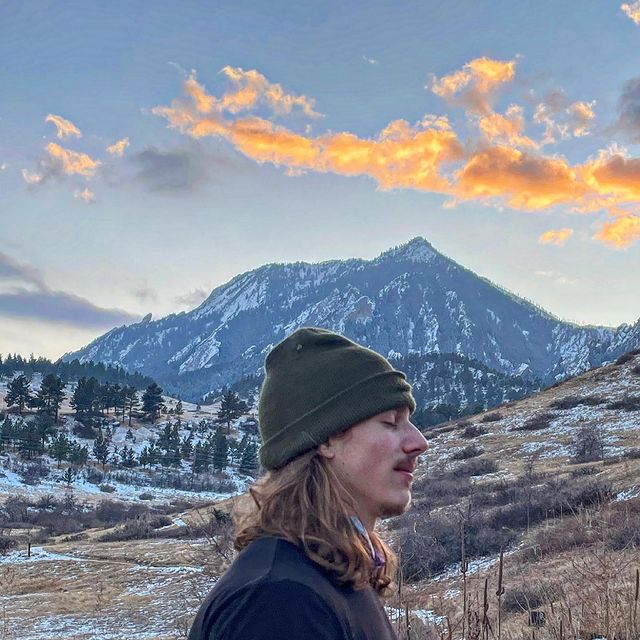
I live near Lake Atitlán, Guatemala, surrounded by jungle, mountains, animals, fresh food, and a community of people who actually spend time together.
My mornings involve natural sunlight, movement, fresh air, and considerably fewer conversations with traffic lights.
I've built a business online, coached hundreds of clients, traveled the world, and helped develop an off-grid wellness sanctuary called Maestro Valley.
It took years of experimenting, questioning, creating content, and making some very unconventional decisions to get here.
But there's something important I want to explain.
You don't have to leave the United States to escape the lifestyle that's making you miserable.
Leaving was part of my journey. It doesn't have to be yours.
1. Circadian Chaos: Your Body Has No Idea What Time It Is
Your body operates on a biological clock called the circadian rhythm. Your sleep, hunger, alertness, body temperature, and many hormonal processes respond to environmental signals, especially light and darkness.
Now consider an ordinary day in the modern city.
Wake up indoors. Get dressed under LED lights. Walk to your car. Drive to work. Spend eight hours in an artificially illuminated building. Drive home. Eat dinner. Stare at another glowing rectangle until you're tired enough to pass out.
Repeat for thirty years.
And somehow we're shocked when our sleep is a disaster.
The human body evolved under the natural cycles of the sun, not under fluorescent lighting in an office building named after a financial institution.
Outdoor light can be dramatically brighter than typical indoor lighting, even on cloudy days. Getting natural light early helps synchronize your biological clock, while excessive bright light late at night can interfere with sleep timing.
When I began prioritizing sunrise light, getting outside earlier, and reducing artificial lighting at night, I noticed a meaningful difference in how naturally my day flowed.
I wasn't trying to force myself into a perfect morning routine. I simply started paying attention to the environment my body was receiving.
And you don't need a beachfront villa in Costa Rica to do this.
Go outside when you wake up. Walk before checking your phone. Spend time outdoors during the day. Use softer, warmer lighting in the evening and give your eyes some actual darkness before sleeping.
It sounds embarrassingly simple because it is.
Your body has been responding to the sun for considerably longer than humans have been designing alarm-clock applications.
2. You Are What You Digest (Not What You Count)
One of the strangest things about modern nutrition is how much effort goes into making industrial food appear healthy.
Protein-enriched breakfast bars. Zero-sugar beverages containing twelve ingredients you've never heard of. Vegetable oils with pictures of healthy hearts on the packaging.
You can walk into a convenience store and purchase something called a complete nutritional meal that contains practically nothing resembling a meal.
Beautiful technological progress.
I spent years studying nutrition and kinesiology, experimenting with diets, and learning about human physiology. Eventually, I became less interested in obsessively counting every macronutrient and more interested in the actual foods I was eating.
Where did they come from? How were they produced? What happens to my digestion and energy when I eat them?
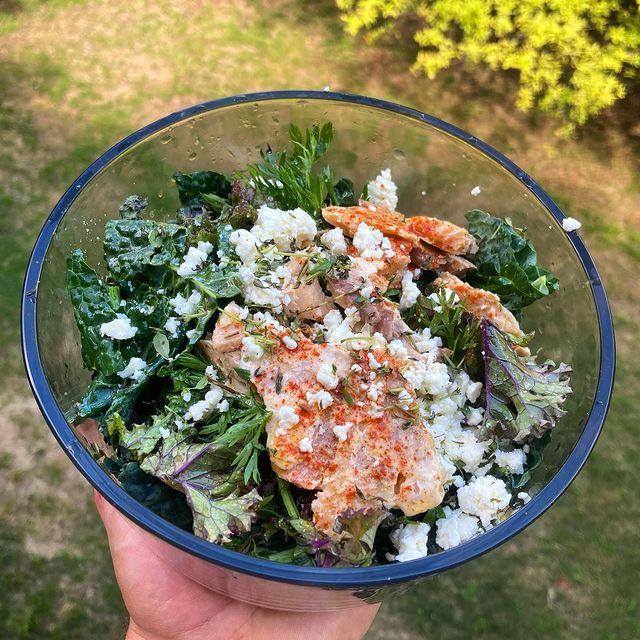
I began shifting toward animal foods, traditional fats, fresh fruit, honey, and simpler meals made from ingredients I recognized.
Since August 2023, I've personally leaned heavily toward raw animal foods, including beef, eggs, and dairy, while still enjoying cooked foods when I want them.
It's an approach that works for me, though raw animal products carry foodborne illness risks and aren't inherently safer or nutritionally superior to cooked versions.
The bigger principle applies regardless of whether you prefer your steak raw, medium rare, or cooked until it resembles a leather sandal.
Learn to feed yourself with real food.
You can live in downtown Chicago and still find eggs, beef, sardines, fresh fruit, potatoes, vegetables, and other basic ingredients.
You don't need a farm, a private chef, or some weird ancestral supplement subscription that costs more than your electric bill.
And if your digestive system is constantly unhappy, it might be worth looking at your eating habits before purchasing another bottle of powdered salvation.
3. Movement Is Your Birthright, Not a Gym Membership
The body was built for motion.
Walking, climbing, carrying, squatting, stretching, balancing, running, swimming, and occasionally sprinting away from something that would like to eat you.
Yet modern life has managed to make ordinary movement feel like an optional extracurricular activity.
You sit while working. Sit while commuting. Sit while eating. Sit while watching television. Then go to the gym for 45 minutes to compensate for sitting the other 23 hours.
Quite the arrangement.
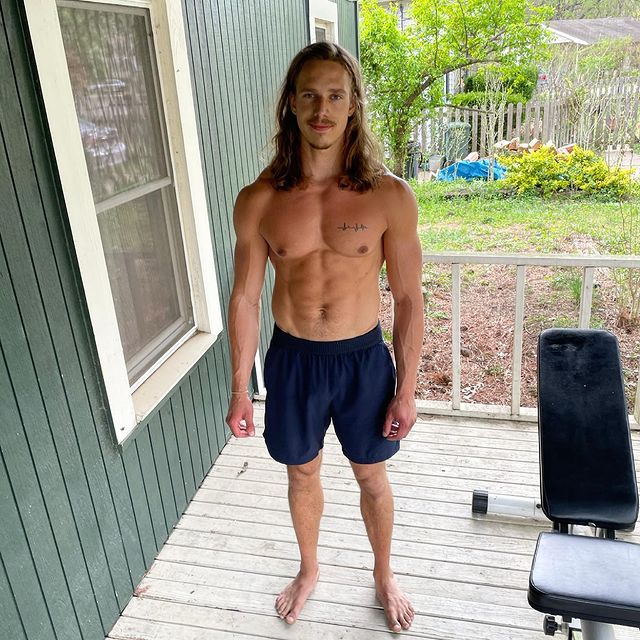
Don't get me wrong. I love strength training.
But a gym membership cannot replace having an active life.
When I lived in more urban environments, I had to consciously create opportunities to move. Walking after meals, training outdoors, stretching, practicing Qi Gong, and finding whatever patches of nature were available.
These days, living in the mountains of Guatemala naturally demands more movement. Walking up hills, carrying supplies, working around the property, moving through the jungle.
Nature doesn't offer escalators.
And my body appreciates that.
If you're living in a city, begin incorporating movement into the hours you're already awake. Take walking meetings, stretch between work sessions, use stairs, do pushups, hang from something sturdy, or keep a kettlebell nearby.
You don't need to turn every movement into a quantified workout.
Sometimes you can just move because you have a functioning human body.
Revolutionary stuff.
4. The Invisible Environment: EMFs and Technology Overload
One of the subjects I started exploring years ago was the relationship between electromagnetic fields, technology, and human health.
We're surrounded by wireless networks, phones, laptops, cellular infrastructure, and more electronic devices than any other generation in human history.
I've spent considerable time questioning how this environment affects my own habits, sleep, and overall well-being.
Research hasn't established that everyday wireless exposures within current safety limits cause the broad range of health problems sometimes attributed to EMFs. I think it's important to distinguish those claims from the very real effects of excessive screen time, nighttime notifications, and constant digital stimulation.
Regardless, I've found tremendous value in reducing unnecessary technological exposure in my everyday life.
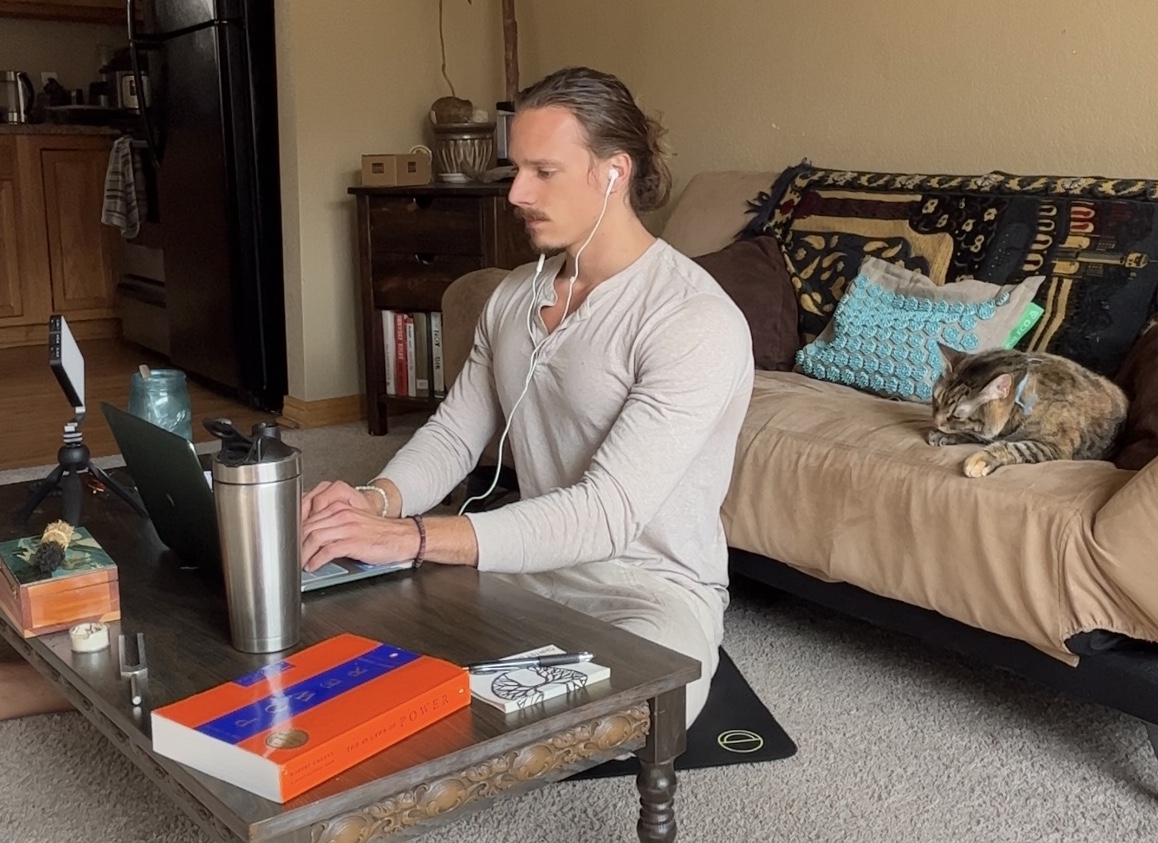
I use wired connections when practical, keep my phone away from my bed, reduce unnecessary notifications, and enjoy turning off devices when I'm not using them.
And I regularly go barefoot outdoors.
Sometimes it's simply nice to feel the earth instead of another piece of plastic manufactured in a factory twelve thousand miles away.
You don't need to spend thousands of dollars covering your bedroom in mysterious metallic fabric or live in constant fear of your Wi-Fi router.
Start by reclaiming your attention.
An entire generation is carrying around a device that can interrupt practically every meaningful moment of their lives.
Imagine willingly bringing that into every conversation, meal, walk, and bedroom.
Actually, you don't have to imagine it.
Just look around.
5. Your Environment Is You
Take a look around your home.
What's the first thing you see when you wake up?
Natural light? Plants? Fresh air? Something that inspires you to move?
Or a television, cluttered furniture, unopened packages, and an air freshener doing its best impression of a chemical laboratory?
Your surroundings influence your habits.
If your phone is beside your pillow, you'll probably reach for it. If your kitchen is filled with packaged snacks, you'll probably eat them. If you've got a pull-up bar hanging in your doorway, you might actually use it.
Your environment makes certain behaviors easier and others harder.
This is something I've become increasingly interested in while developing Maestro Valley, our off-grid property above San Marcos La Laguna.
We have outdoor movement spaces, natural surroundings, places to gather around a fire, sauna facilities, areas for growing food, and plenty of opportunities to get dirt between your toes.
And yes, living off-grid comes with some ridiculous logistical challenges. Nature is beautiful until something breaks, the rain arrives sideways, and you're figuring out why the water isn't flowing.
Still prefer it.
The point is that our environment naturally encourages the lifestyle we're interested in.
You can apply this principle in a small apartment.
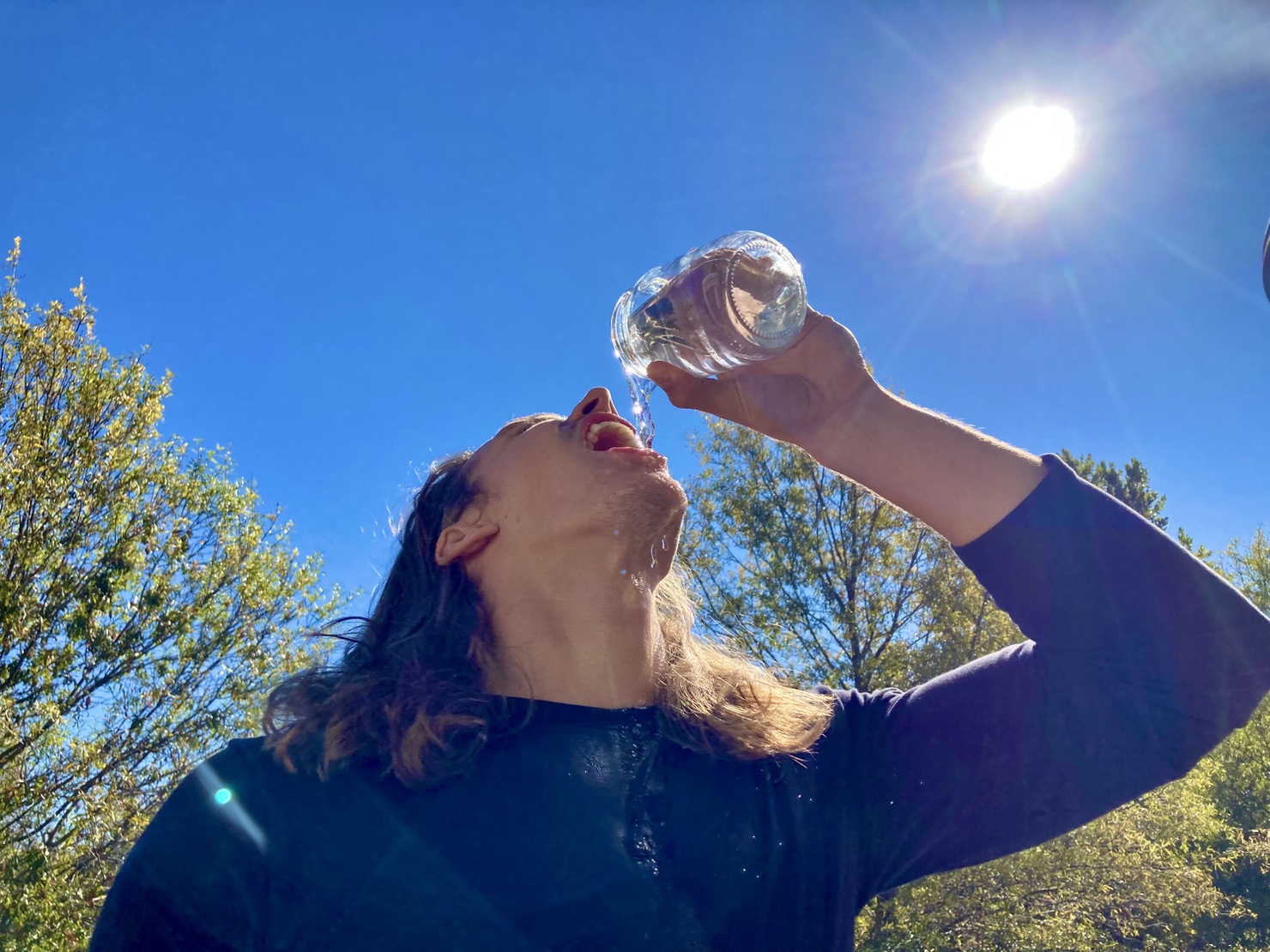
Open your windows when outdoor air quality allows. Improve ventilation. Consider a HEPA air filter if your surroundings are polluted. Filter your drinking water when necessary. Use warmer lights at night. Keep simple exercise equipment visible.
Fill your space with things that encourage the person you want to become.
Your apartment doesn't have to look like a $14 million wellness resort in Bali.
It just needs to work for you.
6. You Need Tribe (Even If You Think You Don't)
You can optimize your diet, train like a Greek warrior, sleep nine hours a night, and consume enough magnesium to become a walking mineral deposit.
But if you're lonely and disconnected from meaningful relationships, something important is missing.
Growing up, I witnessed a lot of pain within my family. Serious health challenges, addiction, difficult relationships, and the emotional weight that comes with watching people you love struggle.
Those experiences shaped how I think about health.
Eventually, I realized that no amount of physical optimization could replace connection, belonging, and purpose.
We evolved in communities. People gathered around food, shared work, cared for one another, celebrated, argued, laughed, and occasionally threw things at each other.
Now we've got people living in buildings surrounded by hundreds of neighbors who don't know a single person's name.
But hey, you've got 7,000 followers.
Fantastic.
When I moved abroad, one of the most meaningful changes wasn't the weather or the food.
It was community.
At Lake Atitlán, I've found people who actually want to spend time together. We train, cook, create, share ideas, organize retreats, have uncomfortable conversations, and occasionally sit around fires discussing the absurdity of existence.
That's a massive part of what makes this lifestyle worthwhile.
And community has also shaped my work online.
Through Vital Camp, I've brought together coaches, creators, and health-focused entrepreneurs who want to develop their skills, grow their businesses, and connect with others pursuing similar goals.
The same principle applies whether you're building a business or simply trying to find people who enjoy going outside.
Be the person who initiates.
Invite someone on a walk. Host a dinner. Join a movement class. Start a men's circle. Attend a local gathering.
You might have to endure a little social awkwardness.
You'll survive.
7. Why I Actually Left the United States
I want to clarify something.
I didn't leave the US because every American city is terrible or because Guatemala is some flawless paradise where everyone dances barefoot and drinks spring water.
Although that would make an excellent tourism advertisement.
I left because I wanted to experience something different.
I wanted more autonomy over how I spent my days, closer relationships with nature, opportunities to build community, and a lifestyle that encouraged the habits I was already practicing.
I'd spent years creating content and building online coaching businesses, which eventually gave me flexibility over where I could live and work.
Instead of organizing my entire existence around a fixed location, I could experiment with new environments.
I spent time living in Mexico, traveling through different countries, meeting people, and learning what actually made me feel at home.
Eventually, Guatemala became that place.
I love the landscape, the slower rhythms in certain communities, the local agriculture, the culture, and the opportunity to create a space surrounded by nature.
I also understand the privilege of having the ability to choose where I live.
Moving countries isn't an option for everyone. Visas, money, family, work, language, and responsibilities all matter.
And living abroad doesn't magically solve your personal problems. You can bring your anxiety, terrible habits, and three-hour daily Instagram addiction into a beautiful jungle just as easily as you can bring them into an apartment in New York City.
That's why I wrote my original ebook, Escape the City Sickness (Without Escaping the City).
Because physical relocation is only one part of the equation.
Your daily environment starts with the choices you're making now.
8. Building a Life You Don't Constantly Need to Escape
When I was younger, I had this image of what adulthood was supposed to look like.
Get educated. Get a job. Work hard. Purchase things. Repeat. Eventually accumulate enough resources to enjoy your life after several decades of being incredibly busy.
And listen, there's nothing wrong with working hard, having a career, or living in the US.
I just wanted something else.
I wanted the ability to spend my mornings outdoors, train when I felt like training, create things I cared about, travel, and work with people who shared my interests.
Content creation played a massive role in making that possible.
I started posting online long before I had a business. Over time, I learned how to communicate, build an audience, coach clients, develop offers, collaborate with brands, and create businesses around my skills.
It wasn't instant.
It took years of showing up, experimenting, making terrible videos, learning how to sell, and figuring out what I genuinely wanted to build.
But eventually it gave me the freedom to choose a different environment.
And that's exactly why I'm passionate about helping other people develop similar skills through Vital Camp.
You might be a nutritionist, personal trainer, breathwork coach, holistic practitioner, or simply someone with something useful to share.
You don't need millions of followers or a perfectly polished personal brand to begin.
You need to develop skills, create consistently, connect with people, and learn how to turn your knowledge into something that helps others.
Maybe your goal isn't Guatemala.
Maybe it's living closer to your family, leaving a job you dislike, working fewer hours, starting a business, or spending more time with your children.
Wonderful.
Freedom doesn't need to look like my Instagram feed.
9. The Wild Is Already Inside You
Here's what I've realized after years of moving between cities, countries, environments, and different ways of living.
You can change your address without changing your lifestyle.
And you can transform your lifestyle without changing your address.
You can eat fresh food in St. Louis. Watch the sunrise in Chicago. Lift weights in an apartment. Grow herbs on a balcony. Build a community in New York City.
You might have to be more intentional about it.
Cities are full of convenience, distractions, traffic, noise, and opportunities to outsource practically every basic human activity.
But they also contain parks, markets, communities, creative opportunities, interesting people, and places where you can build a meaningful life.
The objective is to stop letting your environment make every decision for you.
Pay attention to your light, food, movement, relationships, surroundings, and the amount of your attention you're handing over to technology.
Learn to make things.
Get involved in your community.
Take responsibility for the parts of life you can actually influence.
And if someday you decide you want to leave the United States, buy some land, travel the world, or build your own little off-grid sanctuary in the jungle, you can work toward making that happen.
Just understand that moving to another country won't automatically provide the freedom you're looking for.
I love living in Guatemala.
But what I value most is the ability to choose how I live, what I create, who I spend time with, and where my energy goes.
That's what I was searching for all those years ago while walking barefoot through patches of grass near a Missouri parking lot.
I just didn't have the language for it yet.
Want to Create More Freedom in Your Own Life?
A huge part of how I was able to leave the United States, travel, coach people around the world, and help build Maestro Valley came from learning how to use the internet creatively rather than endlessly consuming it.
That's why I created Vital Camp.
It's a community for health coaches, creators, holistic practitioners, and people who want to build a business around something they actually care about.
Inside, I share the strategies I've used to grow my own audience and businesses, from content creation and storytelling to finding clients, developing offers, and building a community that supports your mission.
We have weekly live calls, more than 100 educational videos, monthly challenges, and people actively working on growing their brands and creating more freedom in their lives.
You don't need to escape to the jungle to start.
You can begin building something meaningful from wherever you're sitting right now.