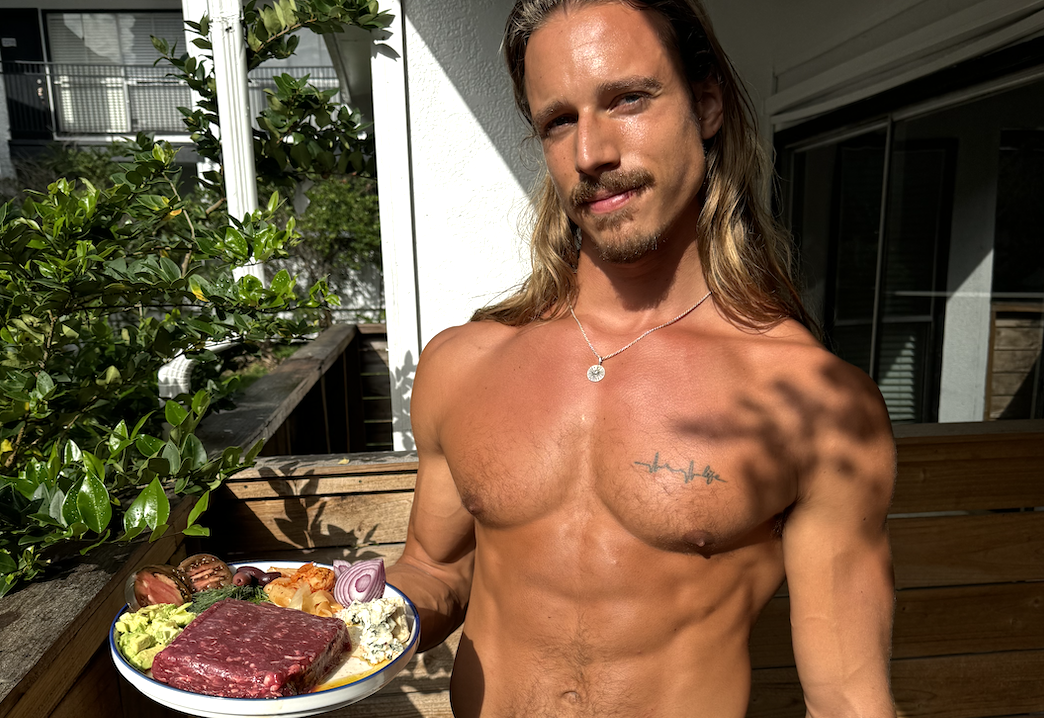
After years of experimenting with nutrition, studying the human body, and eating raw animal foods since 2023, here’s why I’ve come to prefer my meat raw, my food minimally altered, and my nutrition a little closer to nature.
I spent years studying nutrition and kinesiology, graduating near the top of my class, learning about proteins, amino acids, digestion, metabolic pathways, and all the fancy biological machinery that keeps this meat suit alive.
Yet somehow, after all that education, one of the most interesting nutritional experiments of my life involved doing LESS to my food.
No pan. No oven. No 47-step recipe from a wellness influencer wearing blue-light glasses indoors.
Just raw animal foods.
Since August 2023, I've gradually shifted toward eating roughly 60–80% raw animal foods, including beef, egg yolks, dairy, seafood, and traditional animal fats.
And I feel fantastic.
Better digestion. More consistent energy. A calmer gut. Improved hydration, libido, mental clarity, and an entirely different relationship with nourishment.
These are my personal observations, of course. But they've been consistent enough that I dedicated an entire book, The Untamed Diet, to exploring them.
So why do I prefer raw meat over cooked?
1. Cooking changes the original structure of food
First, understand that cooking is a chemical process.
When you apply heat to meat, you're doing considerably more than making it brown and giving the neighborhood something delicious to smell.
Proteins denature. Water evaporates. Fats can oxidize. Certain vitamins become less abundant, particularly with prolonged or high-temperature cooking.
Some of these changes are beneficial. Others aren't.
Take protein, for example.
Raw meat contains proteins in their native structures. Cooking unfolds and rearranges those structures through a process called denaturation.
That doesn't mean the protein becomes useless. In fact, cooking can improve protein digestibility. But it's a meaningful alteration of the original food.
I'm interested in what happens when we consume animal tissue closer to its original state.
And after years of experimenting, that's become my personal preference.
2. The enzymes and delicate nutrients
This is one of the most fascinating aspects of raw nutrition.
Raw foods naturally contain enzymes. They're involved in biological processes within the food itself, and many become inactive when exposed to sufficient heat.
Here's where I distinguish my philosophy from what we can establish scientifically.
Your digestive system already produces enzymes to break down food. We haven't established that preserving the natural enzymes in raw meat improves human digestion.
Still, I find it fascinating that we routinely alter or destroy so many delicate compounds through cooking without giving much thought to the process.
Certain B vitamins and heat-sensitive nutrients can decline during cooking, especially when juices are discarded.
And cooking methods matter tremendously.
Gently warming something and incinerating it over an open flame until it resembles a charcoal briquette are two very different biochemical experiences.
Yet we tend to lump them together under one lovely word: cooked.
3. Raw meat feels easier on MY digestion
This is probably the biggest reason I keep eating this way.
Before incorporating raw animal foods, I experimented with nearly every dietary philosophy available.
Vegan. Fruitarian. Paleo. Carnivore. Keto. High carb. Low carb. Fasting. Juice cleanses.
I spent years rearranging macronutrients like furniture in a burning house.
Something always felt off.
Bloating, sluggishness, constipation, and that delightful post-meal sensation of wanting to lie horizontally and contemplate existence.
Then I tried raw beef.
My first experience was ground beef that I lightly seared while leaving most of the inside raw.
Over time, I experimented with eating it fully raw.
The difference I noticed was substantial.
Instead of feeling heavy after a large meal, I often felt light, clear-headed, and ready to move.
I've eaten meals containing more than 400 grams of raw beef with animal fats and felt fantastic afterward.
Would everyone digest that meal the same way? Absolutely not.
Cooked meat is generally highly digestible, and raw meat isn't proven to empty from the stomach faster. But my personal experience challenged what I assumed my body would prefer.
And that made me curious enough to continue.
4. Hydration exists inside food, too
We've become obsessed with drinking water while paying surprisingly little attention to the water already present in food.
Fresh meat contains a substantial amount of water, held throughout its cellular structure.
Cooking drives some of that moisture out.
Anyone who's compared a fresh piece of beef with an overcooked steak knows the difference. One is juicy and tender. The other requires approximately four liters of saliva to swallow.
Okay, slight exaggeration.
But water is a meaningful part of nourishment.
Raw meat, fresh fruit, milk, and other water-rich foods all contribute to daily hydration.
This doesn't make raw meat's water magically superior to drinking water. I simply enjoy getting more moisture directly from the foods I eat.
Combined with fresh fruit, mineral-rich drinks, and the other hydration practices I discuss in my book, it's become an important part of how I nourish myself.
5. I prefer fats that haven't been repeatedly heated
Fat is essential.
Your brain, nervous system, cell membranes, and countless physiological processes depend on lipids.
And the way those fats are handled matters.
Exposing certain fats to prolonged high temperatures, particularly repeated frying, can produce oxidation compounds that I'd rather minimize.
This is one reason I'm especially uninterested in industrial deep-fried foods and restaurant meals swimming in repeatedly heated oil.
I enjoy traditional fats such as butter, cream, bone marrow, and animal fat, alongside foods like avocado and quality olive oil.
Some I consume raw. Some cooked.
I'm especially interested in the relationship between nourishment, hormones, and stable energy.
Fat isn't something I fear. I want it coming from quality foods, handled with care.
That said, an appropriately cooked steak doesn't suddenly become toxic because its fat warmed up. Temperature, cooking duration, and fat type all matter.
6. Eating this way changed my relationship with sourcing
There's something interesting that happens when you begin paying serious attention to where your food comes from.
Suddenly the animal matters.
The land matters.
What it ate, how it lived, how the meat was handled, and how long it's been sitting around become questions worth asking.
In The Untamed Diet, I dedicate a significant section to sourcing.
I've purchased from local farmers, independent butchers, and trusted suppliers while living and traveling across different countries.
I'd rather build relationships with people who actually understand food production than blindly trust a plastic package decorated with a smiling cartoon cow.
Of course, sourcing quality doesn't eliminate pathogens or parasites. Raw beef, fish, eggs, and unpasteurized dairy can transmit infections even when they look and smell normal.
That distinction matters.
But becoming more involved in my food supply has been one of the biggest benefits of this journey.
It turns eating into a relationship with agriculture, ecology, and the people producing your nourishment.
7. Simplicity gave me my freedom back
Perhaps the most underrated benefit has nothing to do with micronutrients or digestive enzymes.
It's simplicity.
My meals don't need to be elaborate.
Fresh animal foods. Fruit. Honey. Traditional fats. Herbs. Some fermented foods. Occasionally cooked potatoes, rice, or other foods when I want them.
That's generally how I eat.
I'm not interested in joining another nutritional religion where eating one forbidden carbohydrate requires public confession.
I enjoy cooking sometimes. I love a good warm meal.
But there's something liberating about eating simply and spending less time obsessing over food preparation.
More time outdoors. More time with people. More time living.
Which is kind of the entire point of being healthy in the first place.
8. It reconnected me with something ancient
This is where the conversation becomes more philosophical.
Human beings have consumed raw animal foods throughout history.
Raw seafood, fresh meat preparations, raw dairy traditions, cured foods, and countless regional dishes are reminders that eating uncooked animal foods isn't some invention of internet carnivore culture.
Cooking also has deep evolutionary roots and helped humans expand the range of foods they could safely consume.
Both belong in our history.
But I find it fascinating how disconnected we've become from the origins of our meals.
Food appears in packages, already assembled, seasoned, sterilized, and delivered by someone whose name we'll never know.
For me, experimenting with raw nutrition brought back a sense of curiosity.
What is this food? Where did it come from? How does my body respond?
It made nourishment feel personal again.
And that's an experience no government food pyramid could ever fully explain.
Why I still eat cooked food sometimes
Because I'm a human being, not a walking raw-beef manifesto.
I enjoy cooked potatoes. A warm meal when it's cold. A beautifully prepared dish with friends.
I'm interested in flexible, omnivorous nutrition that supports the life I want to live.
I don't need every food to be raw to appreciate raw foods.
I've simply discovered, through my own experience, that I prefer many animal foods in their uncooked state.
That's where I feel my best.
There are real foodborne illness risks associated with raw meat and other raw animal products, so personal experience shouldn't be confused with proof of safety or superior nutrition.
I still believe this subject deserves thoughtful investigation, rather than automatically dismissing anyone who experiments outside conventional dietary habits.
The Untamed Diet: My complete guide to raw and primal nutrition
I've spent years studying the human body, coaching hundreds of clients, experimenting on myself, and questioning why modern nutrition has become so damn complicated.
That journey led me to write The Untamed Diet.
Inside, I go far deeper into the psychology of raw eating, what cooking does to food, ancestral food traditions, digestion, food combining, hydration, fats, carbohydrates, and my own journey from conventional eating toward raw animal foods.
I also share practical meal templates, raw-inspired recipes, sourcing guidance, daily routines, and how I navigate eating while traveling.
From steak tartare and nutrient-dense animal foods to raw cream, egg yolks, honey, fruit, and simple meals you can actually make.
It's the book I wish existed when I first started questioning everything I thought I knew about nutrition.
Explore the recipes, learn the principles, and discover a different relationship with food.